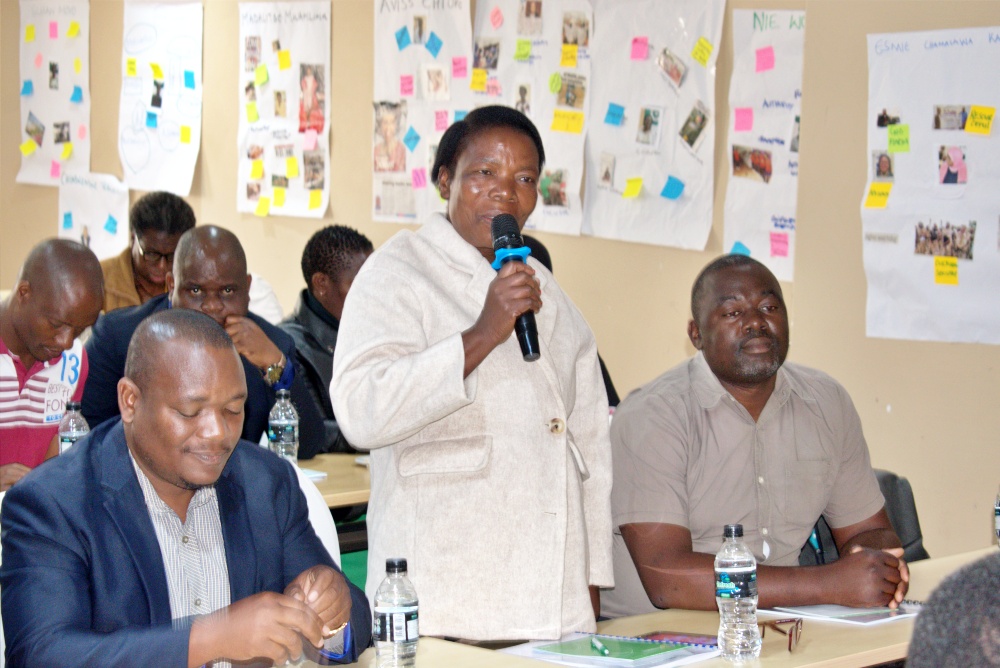
Malawi’s health system faces high demands for care and ongoing challenges with regard to resources and workforce capacity. Nurses and midwives are the largest group within the health workforce but have very limited opportunities for leadership development to support their core role in service delivery across the country.
To help address this gap, FNF partnered with the Nurses and Midwives Council of Malawi and the Nursing Council of Kenya to deliver a leadership development programme to enable the strengthening of nursing and midwifery leadership in Malawi.
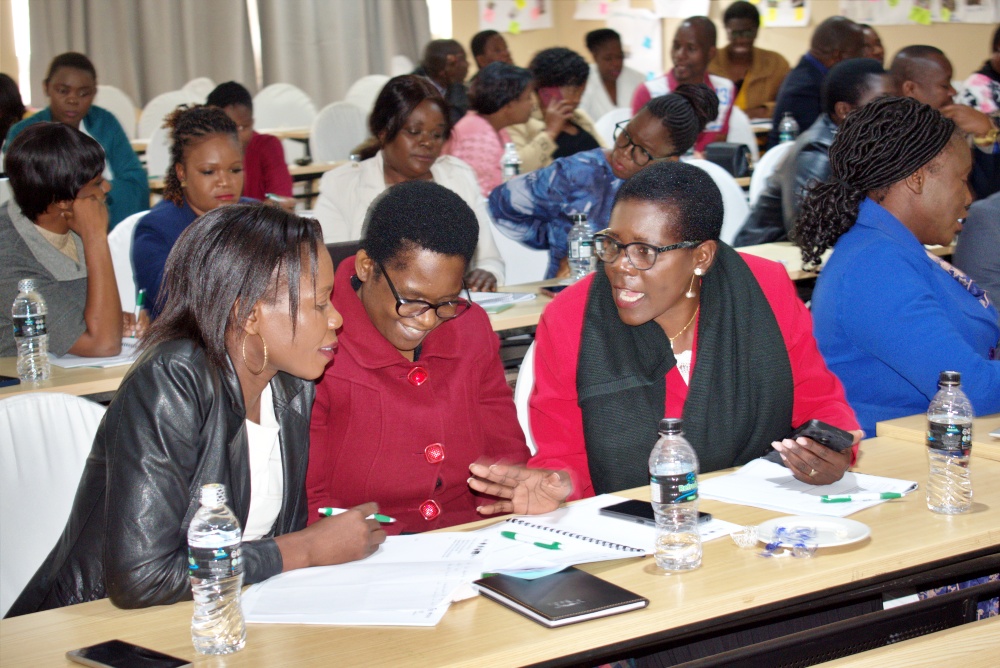
Through structured mentorship and applied quality improvement, participants developed and began implementing projects directly targeting patient outcomes. Ten high-potential projects have received Ministry of Health backing for continued implementation.
Read on to find out more about the programme and its impact.
Clear Achievements
The results are already significant — and most importantly, they are already translating into better patient care.
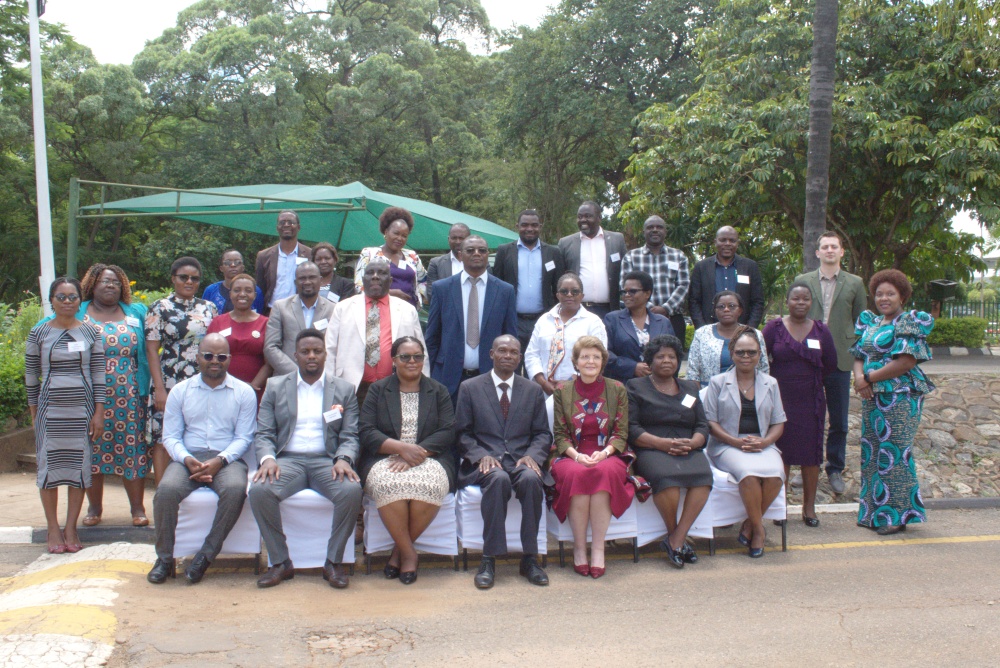
- 50 mid-level nurse and midwife leaders and 10 senior mentors completed the programme.
- 100% of participants reported improved leadership skills and confidence as a result of the programme
- 86% demonstrated measurable increases in self-efficacy.
- Advocacy confidence increased by almost 20%, strengthening nurses’ ability to influence decisions affecting patient care.
Patient Outcomes
Through structured mentorship and applied quality improvement (QI), participants developed and began implementing projects directly targeting patient outcomes. These projects focus on:
- Reducing maternal morbidity and mortality through strengthened near-miss audits and labour monitoring.
- Improving newborn survival through better thermal care and resuscitation preparation.
- Reducing avoidable infections through strengthened IPC practice.
- Improving triage and emergency recognition to prevent avoidable child deaths.
- Strengthening documentation and supervision systems to reduce preventable harm.
This programme demonstrates that investing in mid-level nursing and midwifery leadership is not simply workforce development — it is a practical, high-impact route to improving quality, safety, and patient outcomes in resource-constrained settings.

As part of my QI project I identified a critical gap in maternal care: while maternal deaths were routinely audited, obstetric near-miss cases were not reviewed at all, resulting in a zero percent audit rate. The changes I led, using skills I developed through this project, resulted in near-miss audits being embedded within routine systems. The actions included included establishing a functional multidisciplinary MPDSR committee, introducing a maternal near-miss register, developing SOPs for identification and documentation, building staff capacity, and initiating routine audit meetings with feedback and follow-up on action plans.
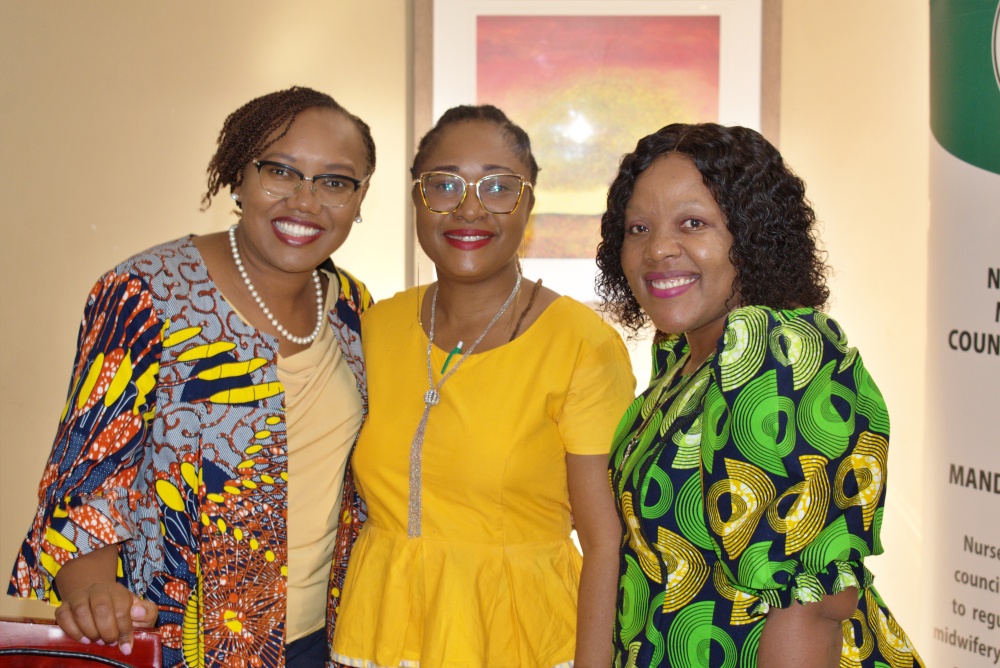
Beatrice Kanyimbo, programme participant
Long-term Impacts
Sustainability was a guiding principle from the outset, with a Malawian partner and collaboration with the Ministry of Health’s Director of Nursing and Midwifery Services. By aligning the leadership programme with Malawi’s new Nursing Leadership Initiative, the project has laid strong foundations for long‑term integration across the nursing and midwifery workforce.
The programme drew on the expertise of experienced nurse leaders who had previously completed leadership development through the Nursing Now Challenge. Their involvement as mentors has helped to create a powerful cycle of support and professional growth within the health system, reinforcing a culture of strong, compassionate, and resilient nursing leadership.
Importantly, the Ministry of Health has committed to supporting the implementation of the ten highest‑potential quality improvement projects, helping to ensure meaningful and lasting improvements for patients, services, and communities.
Local faculty also played a central role in co‑facilitating the programme and benefited from additional coaching through a train‑the‑trainer approach – further strengthening in‑country leadership development skills.

We learned how to come up with a training package that will make our mid-level nursing managers impactful in terms of management. We learned there are things that may feel like 20% of the problem, but when you intervene on them, they will bring about 80% of change that we want to see. So, as a leader knowing that, and especially a leader that is working in an environment that is resource constrained, that’s very important.
John Nepiyala, Malawi Faculty
Download the Learning Brief
This programme was part of The Global Health Partnerships’ (formerly THET) Global Health Workforce Programme, funded by the UK Department of Health and Social Care to build stronger, more resilient health systems and to make progress towards universal health coverage.