Richard Desir is a Nursing Officer within the Office of the Chief Nursing Officer for Wales, with national responsibility for People’s Experience, Inclusion Health and NHS Safeguarding. He leads national programmes that strengthen how people’s voices, lived experience and equity shape policy, assurance and service improvement across NHS Wales.
Richard’s work focuses on embedding dignity, compassion and inclusion into everyday care, with a particular emphasis on reducing inequalities and improving outcomes for marginalised communities.
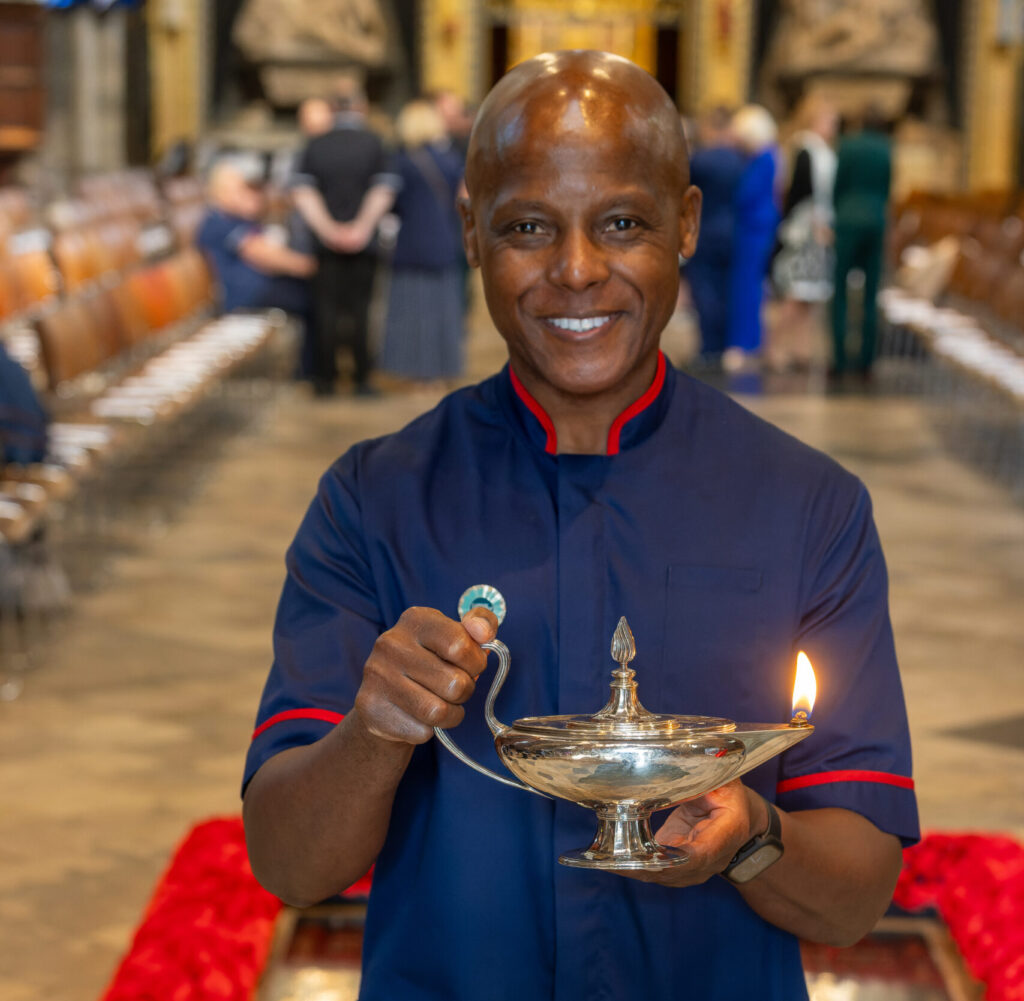
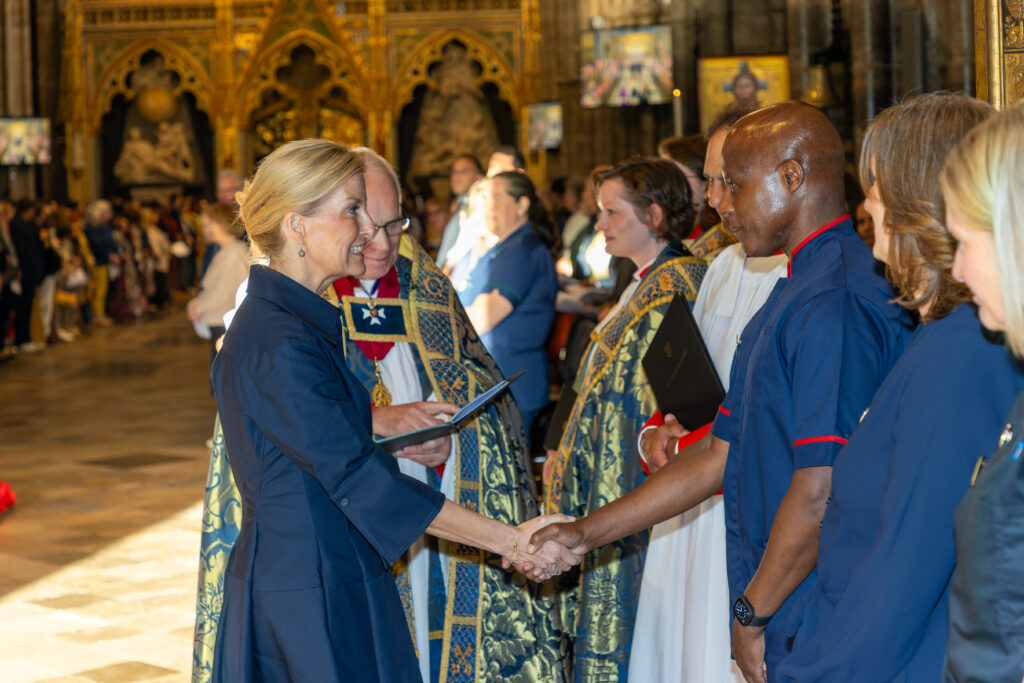
As an FNF Scholar Alumnus, Richard was chosen to be the Lamp Carrier in the Florence Nightingale Commemoration Service procession in May 2026 and he shares his experience here.
From global learning to national impact: embedding people’s experience and equity in Wales
Being awarded a Florence Nightingale Foundation Leadership Scholarship was a defining moment in my leadership journey. It created the space to step back, learn globally and think differently about how people’s voices, equity and inclusion can be embedded in healthcare systems — not as an add‑on, but as a core measure of quality and safety.
Through exposure to global innovation, leadership coaching and conversations with international peers, the scholarship strengthened my confidence to translate learning into action within the Welsh context. It challenged me to think more systematically about how experience data, lived experience and evidence can be used to drive improvement at scale.
One of the most tangible outcomes of this has been my work as Senior Responsible Officer for the development of the NHS Wales People’s Experience Survey (PES). Informed by international best practice and grounded firmly in co‑production with people and communities across Wales, the PES was designed as a validated, bilingual tool that can be used consistently across all healthcare settings. Crucially, it reflects what people themselves say matters most about their care.
The impact of this work has been significant. The People’s Experience Survey is now embedded nationally across NHS Wales, has been recognised through multiple awards.

"It has created a consistent way for people’s voices to influence service improvement, assurance and accountability across the system – turning feedback into action."
Richard Desir – Nursing Officer within the Office of the Chief Nursing Officer for Wales
Awards:
- NHS Wales Awards 2025. Person Centred Care Award. November 2025. Development of the NHS Wales People’s Experience Survey. Finalist.
- Picker Experience Network National Awards September 2025. Strengthening the Foundation Award. The development and validation of the People’s Experience Survey for NHS Wales. Runner up.
- HCRW Awards 2024. Public Involvement Award. October 2024. Patient Experience Survey – PREM refresh. Winner
This has led to peer‑reviewed publication in BMJ Open Withers K, Palmer R, Waddington H, South K, Lewis J, Desir R. Developing the People’s Experience Survey (PES): a mixed‑methods study updating a patient‑reported experience measure (PREM) for use in any healthcare setting across Wales. BMJ Open. 2025;15:e100201
More importantly, it has created a consistent way for people’s voices to influence service improvement, assurance and accountability across the system – turning feedback into action.
“Alongside this, the scholarship enabled me to deepen my focus on inclusion health and marginalised groups. Global learning reinforced how seemingly routine clinical practices can unintentionally disadvantage people if equity is not consciously designed in. This insight directly informed my work on inclusive skin assessment and wound care.”
Working collaboratively across Wales, and supported by learning gained through the FNF programme, we explored how traditional assessment tools often fail to recognise how clinical signs present across different skin tones. This led to the national embedding of skin tone assessment within Welsh clinical documentation and digital nursing records, supporting earlier recognition of deterioration and safer, more equitable care. This work has now also been published and shared nationally, contributing to wider learning and practice change Desir R, Beadle F, Dawkins H. Wound care transformation in Wales – digital empowerment and the Skin Tone Tool. Wounds UK. 2025;21(5):50–57
For me, the Florence Nightingale Foundation scholarship was not just about individual development – it was about responsibility. Responsibility to use global insight to shape national policy, to amplify the voices of those often unheard, and to ensure that equity, dignity and compassion are reflected in everyday practice.
I remain deeply grateful to the Florence Nightingale Foundation for their belief, challenge and support. The scholarship has strengthened my leadership, expanded my global perspective and, most importantly, helped translate learning into real and lasting impact for people, families and communities across Wales.